.png)
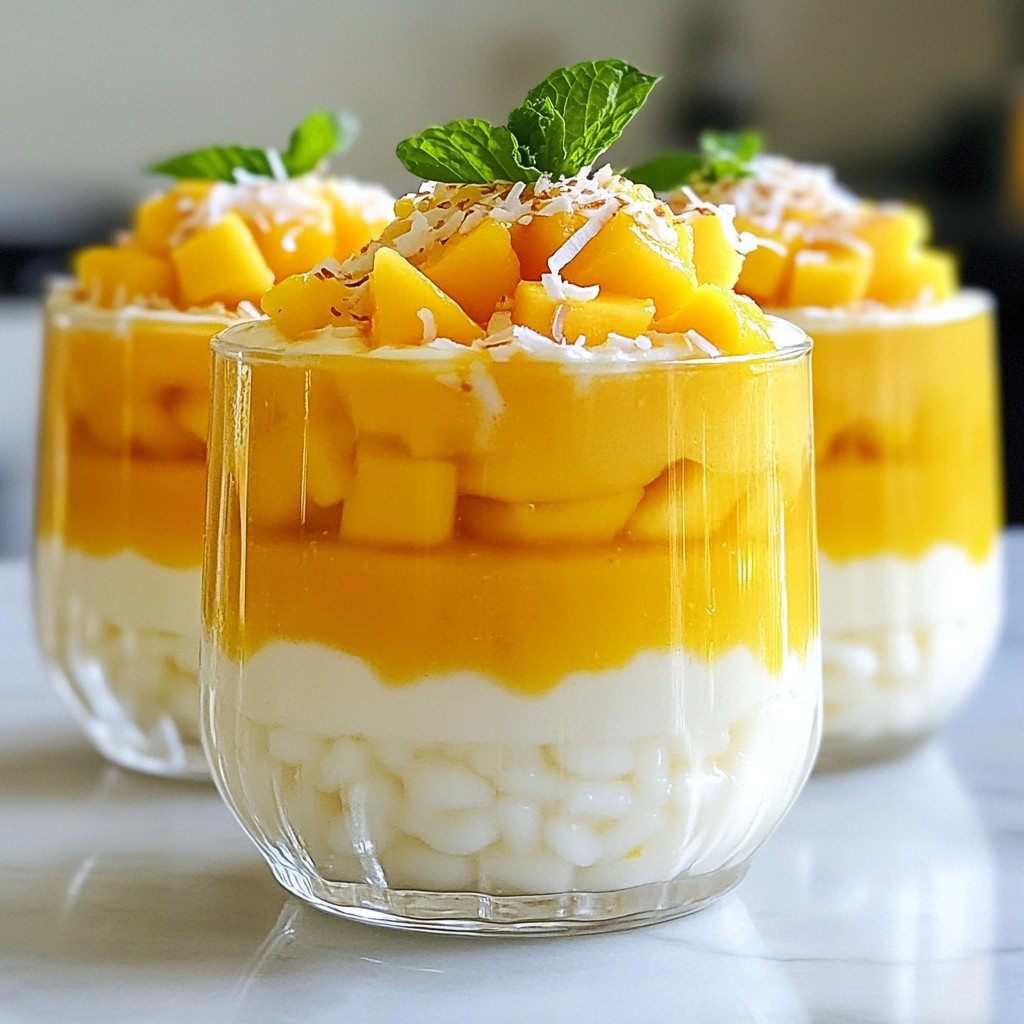
Are you ready to indulge in a tasty treat? This Coconut Mango Sago Pudding is a creamy delight that will brighten your day. Using simple ingredients, I will guide you step-by-step to create a dessert that's both refreshing and satisfying. Whether you crave something fruity, creamy, or both, this pudding has you covered. Let’s dive into the sweet world of coconut and mango, and get started on this easy recipe!
Why I Love This Recipe
- Deliciously Tropical: This pudding combines the rich flavors of coconut and mango, creating a refreshing tropical dessert that is perfect for warm days.
- Easy to Make: With simple ingredients and straightforward steps, this recipe is accessible for both novice and experienced cooks.
- Versatile Presentation: Serve it in individual cups or bowls, allowing for beautiful layering that enhances the visual appeal of your dessert.
- Customizable: Adjust the sweetness and toppings to your preference, making this pudding a personalized dessert for everyone to enjoy.
Ingredients
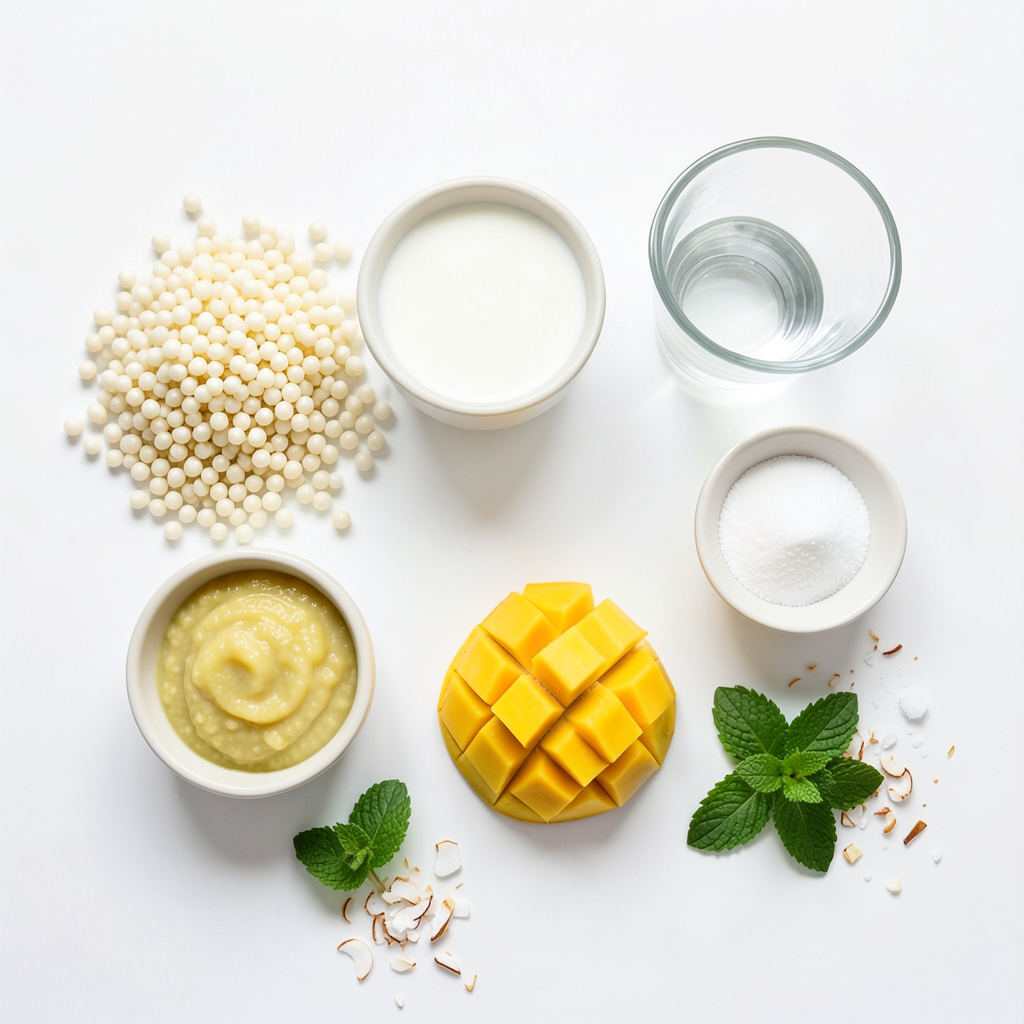
List of Ingredients
- 1 cup sago pearls
- 2 cups coconut milk
- 1 cup fresh mango, pureed
- 1/2 cup sugar (adjust for sweetness)
- 1 cup water
- 1 ripe mango, diced (for topping)
- Fresh mint leaves (for garnish)
- A pinch of salt
- Toasted coconut flakes (for texture)
Measurement Clarifications
Conversions for different serving sizes: This recipe serves four. If you want to serve more, simply double or triple the ingredients. For two servings, halve each amount.
Substitutions for dietary restrictions: For a dairy-free option, use coconut milk. If you are vegan, the sugar can be replaced with maple syrup or agave.
Step-by-Step Instructions
Preparation of Sago Pearls
First, rinse the sago pearls under cold water. Keep rinsing until the water runs clear. This step removes excess starch. It helps the pearls stay separate when cooked.
Next, boil 1 cup of water in a saucepan. Add the rinsed sago pearls to the boiling water. Cook them on medium heat. Stir gently to stop them from sticking. Cook for about 10 to 15 minutes. The pearls will turn transparent when done. After cooking, drain the pearls. Rinse them again under cold water. This cools them down and stops the cooking. Set the pearls aside for later.
Creating the Coconut Mixture
In another saucepan, combine the coconut milk, sugar, and a pinch of salt. Heat this mixture gently over low heat. You want the sugar to dissolve fully. Make sure not to let it boil; just warm it up slowly.
Combining Ingredients
Now, add the cooked sago pearls to the warm coconut mixture. Stir everything well to blend the flavors. Let it simmer for about 5 minutes while stirring occasionally.
After that, remove the saucepan from heat. Add the mango puree and stir until it is mixed in completely. Let the mixture cool at room temperature.
Once cooled, evenly distribute the sago pudding into serving bowls or cups. Top each serving with diced mango. Add a sprinkle of toasted coconut flakes for texture. Finish off with fresh mint leaves for garnish.
Tips & Tricks
Ensuring Perfect Texture
To achieve the right texture for sago pudding, start by rinsing the sago pearls. This step removes excess starch. After rinsing, boil them in water. Cook them until they turn clear, which takes about 10 to 15 minutes. Stir gently to prevent sticking. Once cooked, drain and rinse again with cold water. This cooling step stops further cooking and keeps the pearls firm. Mixing them into warm coconut milk right after rinsing helps maintain their chewy texture.
Flavor Enhancements
You can enhance the flavor of your pudding by adding spices. A pinch of cardamom or a dash of vanilla extract works wonders. For a tropical twist, consider adding lime zest. This brightens the dish and adds a fresh taste. You can also mix in other fruit purees, like passion fruit or pineapple, for extra flavor. These additions will make your coconut mango sago pudding unique and exciting.
Garnishing Techniques
Garnishing makes your pudding visually appealing. Top each serving with diced mango for color and flavor. A sprinkle of toasted coconut flakes adds crunch and texture. Fresh mint leaves not only look great but also add a refreshing taste. Serve in clear cups to show off the beautiful layers of pudding and fruit. Drizzling extra coconut milk on top gives an elegant touch. These simple garnishes will impress your guests and elevate your dessert.
Pro Tips
- Perfectly Rinse Sago Pearls: Rinsing the sago pearls thoroughly before cooking is crucial to remove excess starch, ensuring they remain separate and have a pleasant texture in the pudding.
- Temperature Control: When heating the coconut milk, keep the temperature low to prevent boiling. This preserves the delicate flavor and avoids curdling the milk.
- Mango Purity: For the mango puree, use ripe, sweet mangoes for the best flavor. You can also blend in a little lime juice for added zest!
- Garnishing with Style: When garnishing, layer the toppings artfully to create visual appeal. A sprinkle of toasted coconut on top adds an attractive crunch!
Variations
Different Fruit Options
You can switch out the mango for other fruits. Berries like strawberries or blueberries add a nice touch. Lychee offers a sweet and floral flavor. Just remember to adjust the sweetness based on the fruit you choose. This keeps the pudding balanced and tasty.
Dietary Variations
If you want a vegan version, use maple syrup instead of sugar. You can also swap the regular sugar for a sugar-free alternative. Coconut milk is already vegan, making this dessert easy to adapt. This way, everyone can enjoy it without worry.
Multi-layered Versions
For a fun twist, create layers in your pudding. Try adding a layer of fruit puree or another flavor of yogurt. This not only looks beautiful but also adds different tastes. Use clear cups to show off these layers. It makes the dessert a feast for the eyes and the taste buds!
Storage Info
Best Practices for Storing
To keep your coconut mango sago pudding fresh, store it in the fridge. Use airtight containers to prevent moisture loss. Make sure the pudding is cool before sealing it. This keeps the flavors intact and stops it from getting soggy.
Shelf Life
Coconut mango sago pudding stays fresh for about 3 to 4 days in the fridge. After this time, it may lose its taste and texture. Always check for any off smells or changes in color before eating leftovers.
Reheating Tips
Reheat your sago pudding gently. Use the microwave on low power to warm it up slowly. Stir it every 30 seconds to ensure even heating. You can also warm it on the stove over low heat. Add a little coconut milk if it seems too thick. Never boil it, as this can ruin the texture.
FAQs
What are sago pearls made of?
Sago pearls come from the sago palm tree. This tree grows in tropical areas. The starch from the tree’s trunk is extracted. Then, it is processed into small, round pearls. These pearls are gluten-free and have a chewy texture. They absorb flavors well, making them perfect for puddings. You can find sago pearls in Asian grocery stores. They are a fun ingredient to use in desserts.
Can I use canned coconut milk?
Yes, you can use canned coconut milk. It often has a richer flavor than carton versions. Canned coconut milk has a creamier texture, which is perfect for puddings. Just make sure to stir it well before using. If you want a lighter option, use a lighter coconut milk. This may change the taste and texture slightly. Both options work well, so choose based on your preference.
How do I prevent sago pearls from becoming sticky?
To keep sago pearls from sticking, rinse them well. Start by washing them under cold water until the water runs clear. This removes excess starch. When cooking, stir gently and often. This helps separate the pearls while they cook. After cooking, drain and rinse them again in cold water. This stops the cooking process and keeps them firm. Following these steps will give you perfectly textured sago pearls for your pudding.
This blog post covered the key steps to make a delicious coconut mango sago pudding. We explored the important ingredients, like sago pearls and coconut milk, and even discussed substitutions for different diets. You learned how to prepare the sago, create the coconut mixture, and combine the flavors. Plus, I shared tips for achieving the right texture and suggested fun variations.
In conclusion, making this dessert is both easy and rewarding. With these steps, you can impress anyone with your cooking skills. Enjoy trying out different flavors!