.png)
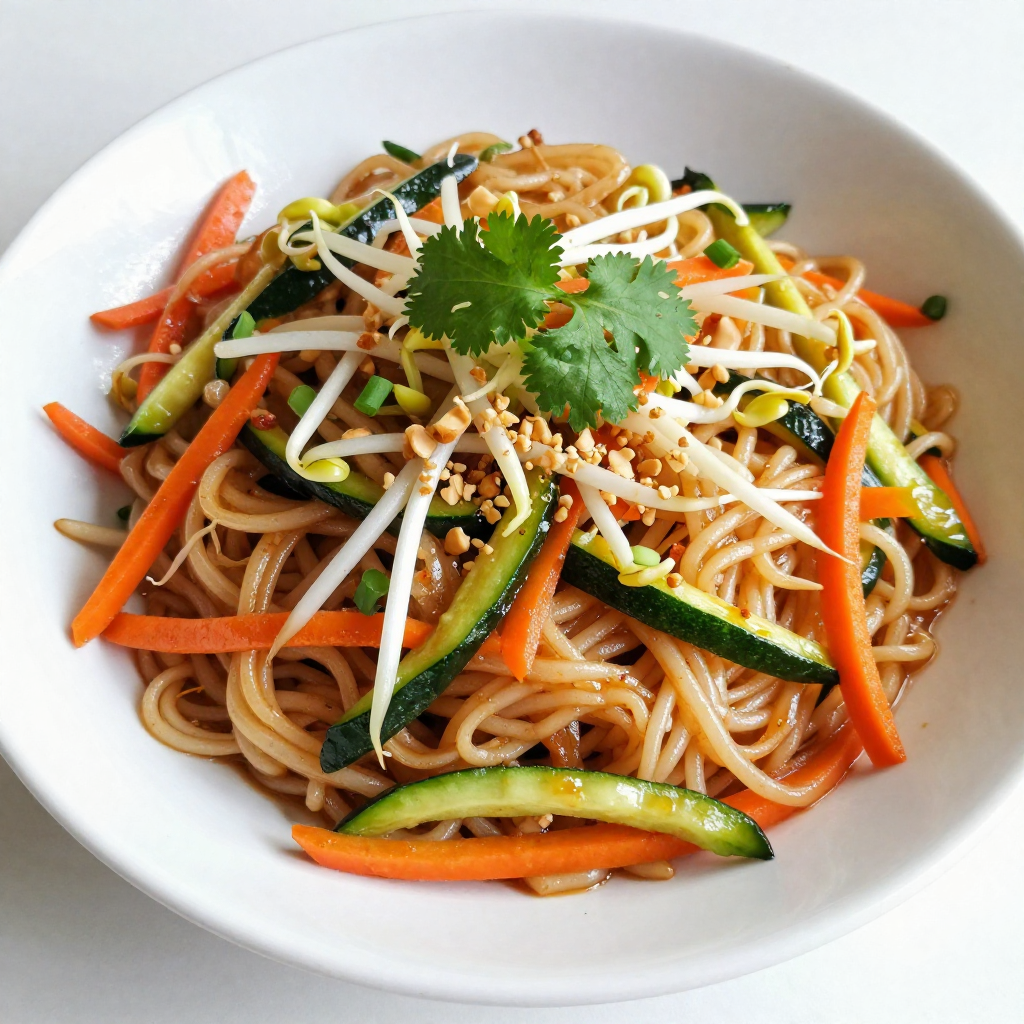
Are you ready to enjoy a delicious and healthy twist on a classic favorite? My Veggie Loaded Pad Thai combines fresh vegetables, savory sauces, and perfect noodles for a meal that’s both tasty and good for you. In this post, I’ll guide you step-by-step to create this flavorful dish, while sharing tips, variations, and nutritional info. Let’s dive into this vibrant and nutritious recipe that everyone will love!
Why I Love This Recipe
- Health Benefits: This Veggie Loaded Pad Thai is packed with colorful vegetables that provide essential vitamins and minerals, making it a nutritious choice for any meal.
- Customizable: You can easily swap ingredients based on what you have on hand or your dietary preferences, whether it’s using tofu instead of eggs or adding more veggies.
- Quick and Easy: This recipe comes together in just 30 minutes, making it perfect for busy weeknights when you want a delicious homemade meal.
- Flavorful: The combination of soy sauce, peanut butter, and lime juice creates a mouthwatering sauce that elevates the dish and leaves you wanting more.
Ingredients
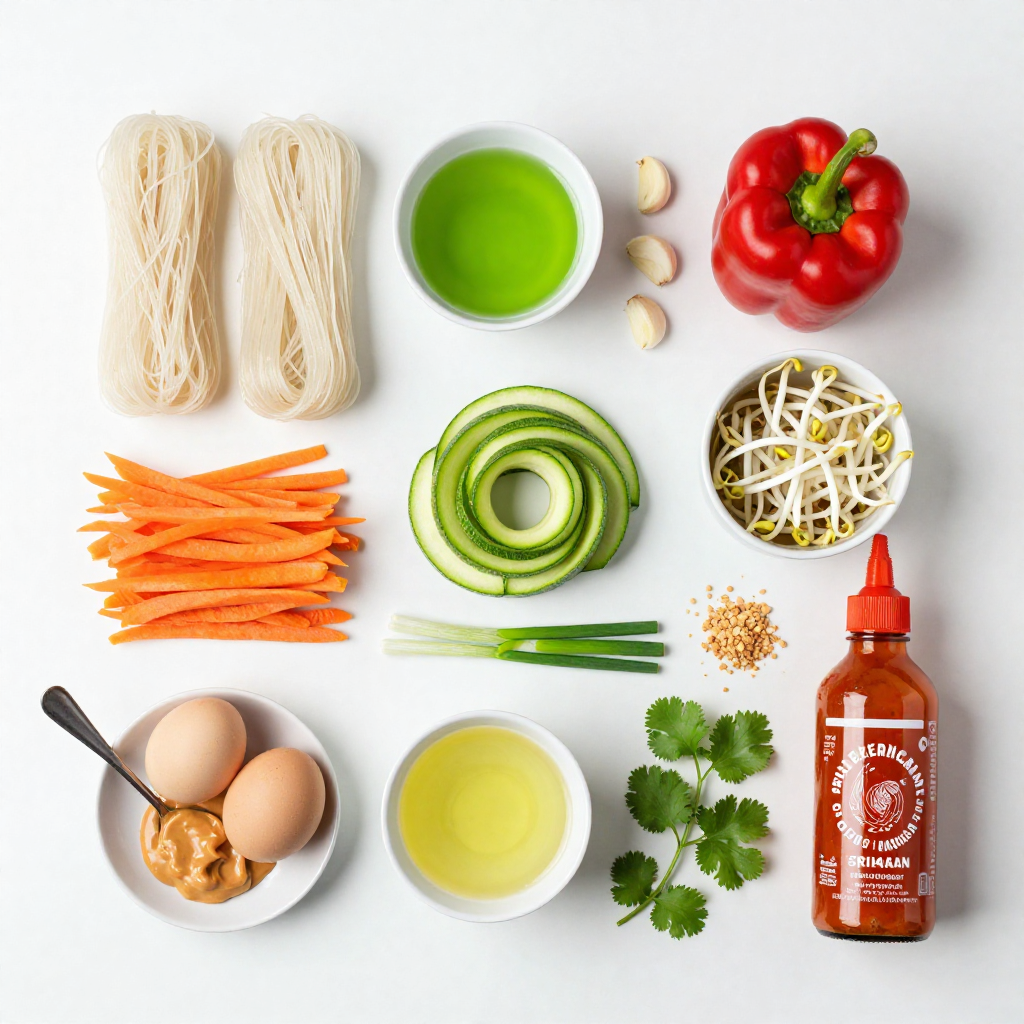
Complete list of ingredients
- 8 oz rice noodles
- 2 tablespoons vegetable oil
- 3 cloves garlic, minced
- 1 bell pepper, julienned
- 1 cup shredded carrots
- 1 zucchini, spiralized
- 1 cup bean sprouts
- 2 green onions, sliced
- 2 eggs (or tofu for a vegan option)
- 3 tablespoons soy sauce
- 1 tablespoon peanut butter
- 1 tablespoon lime juice
- 1 teaspoon sriracha (optional for a spicy kick)
- Crushed peanuts and fresh cilantro for garnish
Recommended brands or types of products
For rice noodles, I suggest using brands like Thai Kitchen or A Taste of Thai. They cook up perfectly and have great texture. For soy sauce, Kikkoman is a classic choice. If you want a nutty flavor, choose natural peanut butter without added sugar. For fresh ingredients, I recommend visiting your local farmers market for the best produce.
Nutritional information per serving
Each serving of Veggie Loaded Pad Thai has about:
- Calories: 350
- Protein: 12g
- Carbohydrates: 50g
- Fiber: 5g
- Fat: 12g
- Sodium: 800mg
This dish is not only tasty but also packed with veggies. You get fiber and vitamins from all those colorful vegetables. If you add tofu, you boost the protein even more. Enjoy this balanced meal that feels indulgent but keeps you healthy!
Step-by-Step Instructions
Cooking rice noodles perfectly
To cook rice noodles, start by boiling water in a large pot. Add the noodles and stir gently. Follow the package instructions for timing, usually around 6-8 minutes. You want them al dente, not mushy. Drain the noodles in a colander and rinse them with cold water. This stops the cooking process and keeps them firm. Set them aside for later.
Sautéing vegetables for maximum flavor
Next, heat 2 tablespoons of vegetable oil in a large skillet or wok over medium heat. Add 3 minced garlic cloves. Sauté for about 30 seconds until the garlic smells nice. Then, toss in your julienned bell pepper and shredded carrots. Stir the veggies often for 3-4 minutes until they soften a bit. Add the spiralized zucchini next and stir for another 2 minutes. This mix of veggies brings big flavor to your dish.
Combining ingredients for best texture
Now, move the veggies to one side of the pan. Crack 2 eggs into the empty side, or add crumbled tofu for a vegan option. Scramble the eggs until cooked, then mix them with the veggies. After that, add the cooked rice noodles you set aside. Pour in 3 tablespoons of soy sauce, 1 tablespoon of peanut butter, 1 tablespoon of lime juice, and 1 teaspoon of sriracha if you like heat. Mix everything well until heated through. Finally, fold in 1 cup of bean sprouts and 2 sliced green onions. Cook for another minute. Your Veggie Loaded Pad Thai is ready to serve!
Tips & Tricks
How to make it vegan-friendly
To make Veggie Loaded Pad Thai vegan, swap out the eggs for tofu. Use firm tofu for the best texture. Crumble the tofu and add it to the pan after the veggies. This gives you a great protein boost while keeping the dish plant-based. You can also check for vegan soy sauce, as some brands add animal products.
Common mistakes to avoid
A few common mistakes can ruin your Pad Thai. First, don’t overcook the rice noodles. They should be tender but firm. Drain them well to avoid sogginess. Second, be careful not to burn the garlic. It cooks quickly and adds flavor. Lastly, balance your flavors. Taste as you go, adjusting the soy sauce and lime juice to find your perfect mix.
Best tools for cooking Pad Thai
Using the right tools makes cooking easier. A large skillet or wok works best for stir-frying. A good spatula helps mix everything without breaking your noodles. Use a knife and cutting board for prepping veggies. A spiralizer makes zucchini noodles fun and easy. Lastly, a measuring spoon ensures you add the right amount of sauces and spices.
Pro Tips
- Use Fresh Ingredients: Fresh vegetables not only enhance the flavor but also add vibrant colors to your Pad Thai, making it visually appealing.
- Customize to Your Taste: Feel free to experiment with different veggies or protein options such as shrimp or chicken for a unique twist on this classic dish.
- Perfect Your Sauce: Adjust the soy sauce and peanut butter quantities to find the right balance of savory and nutty flavors that suit your palate.
- Don’t Overcook the Noodles: Ensure the rice noodles are cooked al dente as they will continue to cook slightly once combined with the hot ingredients in the pan.
Variations
Switching protein sources (tofu, chicken, shrimp)
You can switch up the protein in Veggie Loaded Pad Thai. If you want a vegan option, use tofu. Simply cube it and sauté it until golden. For a meatier dish, try chicken or shrimp. Cook them first, then add the veggies. This keeps them juicy and tasty.
Adding or replacing vegetables
Feel free to get creative with veggies! You can add broccoli, snap peas, or mushrooms. You can also swap out zucchini for bell peppers or carrots. The key is to keep your favorites in the mix. This makes the dish more colorful and fun.
Adjusting spice levels for personal preference
Spice levels can be adjusted easily. If you like heat, add more sriracha. If you prefer mild flavors, skip it altogether. You could also use chili flakes for a different kick. Taste as you go to find the right balance for you.
Storage Info
How to store leftovers
After enjoying your Veggie Loaded Pad Thai, store any leftovers in an airtight container. Let the dish cool to room temperature before sealing it. This helps keep the flavors fresh. You can store it in the fridge for up to three days.
Reheating instructions for best results
To reheat, use a skillet or wok for even heating. Add a splash of water or soy sauce to prevent sticking. Heat over medium-low for about five minutes. Stir often until heated through. This keeps the veggies crisp and the noodles tender. Avoid using the microwave if you want to keep the texture right.
Freezing options and tips
If you want to freeze your Pad Thai, pack it tightly in a freezer-safe container. It lasts for up to three months in the freezer. When ready to eat, thaw it overnight in the fridge. Reheat it in a skillet with a little water or oil. This will help restore its original texture and flavor.
FAQs
Can I use gluten-free noodles?
Yes, you can use gluten-free noodles. Rice noodles are naturally gluten-free. Look for brands that specifically say "gluten-free" on the package. You can also try zucchini noodles or other vegetable noodles for a low-carb option. Just be sure to cook them according to the package instructions for best results.
What's the best substitute for peanut butter?
If you need a substitute for peanut butter, try almond butter or sunflower seed butter. Both have a similar texture and flavor. You can also use tahini, which is made from sesame seeds. These options will keep your dish creamy without losing flavor.
How to make Pad Thai less saucy?
To make Pad Thai less saucy, use less soy sauce or peanut butter. Start with half the amount and add more if needed. You can also increase the amount of noodles or vegetables. This will soak up some of the sauce and balance the dish. Stir well and enjoy a lighter version!
In this post, we covered key ingredients and steps for making Pad Thai. I shared tips for a vegan twist and great cooking tools. We explored various protein options and how to adjust spice levels. Storing and reheating leftovers ensures you enjoy this dish later. Now you have the know-how to create your own delicious Pad Thai, tailored to your taste. Remember, practice makes perfect. Don’t hesitate to experiment and find what works best for you. Enjoy your cooking!