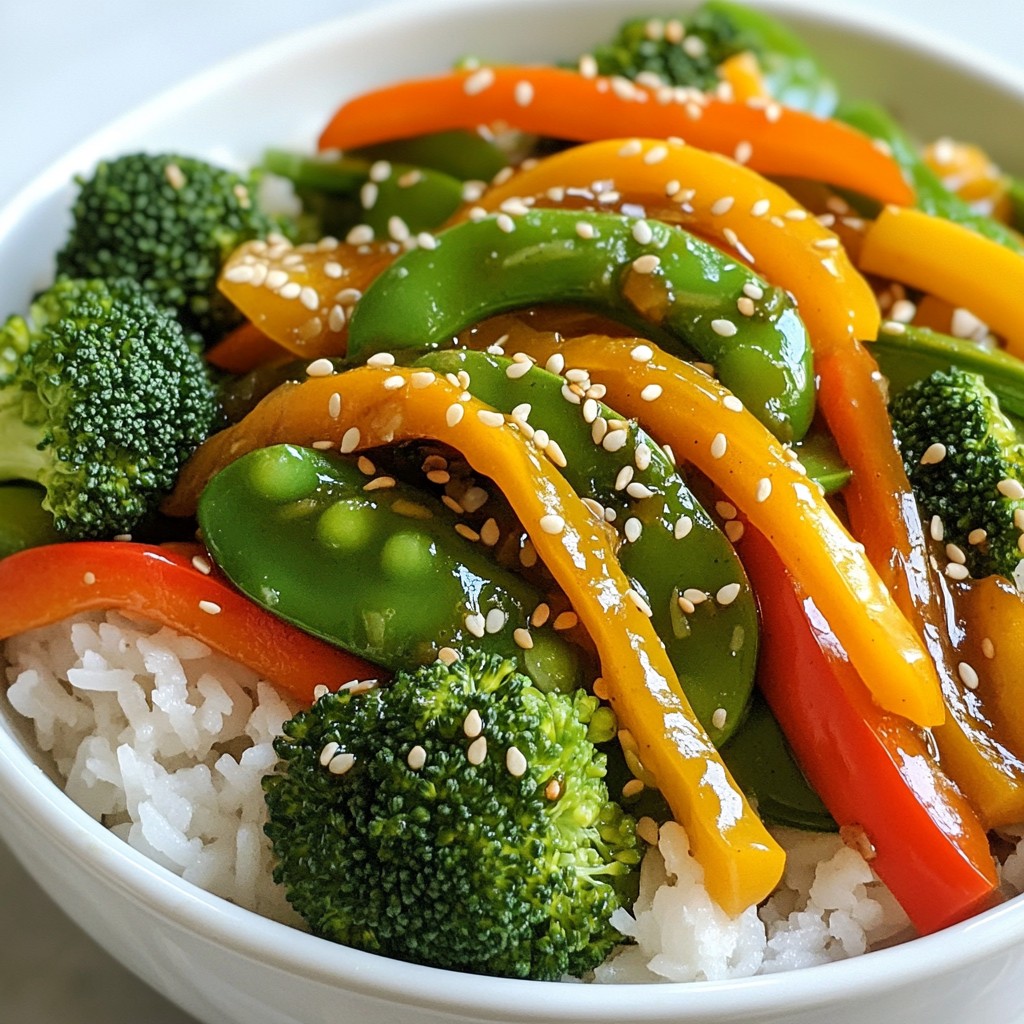
Looking for a quick and tasty family dinner? This Simple Family Dinner Veggie Stir-Fry Delight is just what you need! With fresh vegetables and easy steps, you can create a colorful, healthy meal that everyone will love. Get your kids involved in preparing the ingredients, and watch as they enjoy eating their creations. Let’s dive in and start cooking this delicious stir-fry that’s packed with flavor and nutrients!
Why I Love This Recipe
- Fresh and Colorful: This stir-fry is a vibrant mix of fresh vegetables, making it not only healthy but visually appealing.
- Quick and Easy: With a total time of just 20 minutes, this recipe is perfect for busy weeknights.
- Customizable: You can easily swap in your favorite vegetables or proteins to make it your own.
- Deliciously Flavorful: The combination of garlic, ginger, and sesame oil brings a rich flavor to the dish that everyone will love.
Ingredients
Fresh Vegetables
- 1 cup broccoli florets
- 1 cup bell peppers (red, yellow, green), sliced
- 1 cup snap peas
- 1 medium carrot, julienned
- 1 small onion, sliced
Aromatics and Cooking Essentials
- 2 cloves garlic, minced
- 1-inch piece ginger, grated
- 2 tablespoons sesame oil
Sauce Components
- 3 tablespoons soy sauce (or tamari for gluten-free)
- 1 cup vegetable broth
- 1 tablespoon cornstarch (optional for thickening)
- 1 tablespoon sesame seeds (for garnish)
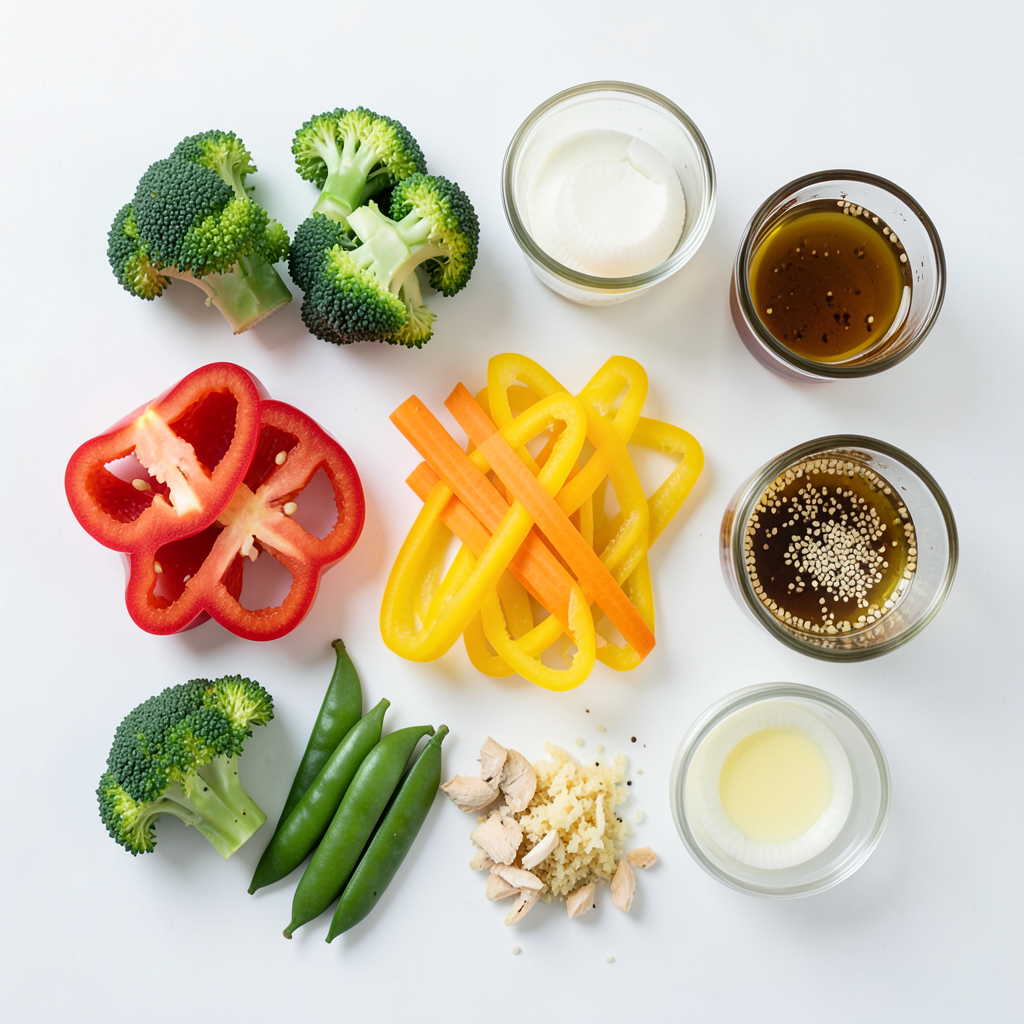
To create a tasty veggie stir-fry, gather fresh ingredients. I love using bright, colorful veggies. Broccoli florets add crunch and nutrients. Bell peppers bring sweetness and color. Snap peas give a nice snap with every bite. Carrots add a subtle sweetness and a fun crunch as well. Don't forget the onion, which adds flavor and aroma.
For aromatics, garlic and ginger are key. They provide depth and warmth. The sesame oil brings a lovely nuttiness to the dish. This oil gets hot quickly, so watch it closely.
Now, let's talk about the sauce. Soy sauce or tamari adds salty richness. Vegetable broth keeps it light and flavorful. If you want a thicker sauce, use cornstarch. Finally, sesame seeds make a perfect garnish. They add a bit of crunch and look beautiful on the plate.
Gather all these ingredients, and you'll be ready to make a delightful family dinner!
Step-by-Step Instructions
Preparation of Vegetables
1. Washing and chopping vegetables
Start by washing all your vegetables under cold water. Use a knife to chop the broccoli into small florets. Slice the bell peppers into thin strips. Julienne the carrot into long, thin pieces. Lastly, slice the onion into rings.
2. Mincing garlic and grating ginger
Take two cloves of garlic and mince them finely with a knife. For the ginger, use a grater to create a fine paste. This will add great flavor to your dish.
Cooking Process
1. Heating sesame oil in a skillet
Grab a large skillet or wok. Pour in two tablespoons of sesame oil and heat it over medium-high heat. Wait until the oil shimmers before adding other ingredients.
2. Sautéing onion, garlic, and ginger
Add the sliced onion to the hot oil. Sauté for about two minutes until the onion turns soft and clear. Next, add the minced garlic and grated ginger. Stir them for about 30 seconds until they smell wonderful.
3. Stir-frying the vegetables
Now, add all your prepared vegetables to the skillet. Stir well to coat them in the oil. Cook for 5 to 7 minutes, stirring often, until the veggies become tender but still crisp.
Sauce and Finishing Touches
1. Combining sauce ingredients
In a small bowl, mix three tablespoons of soy sauce with one cup of vegetable broth. If you want a thicker sauce, add one tablespoon of cornstarch. Stir until the cornstarch dissolves.
2. Mixing sauce with stir-fried vegetables
Pour the sauce mixture over the stir-fried veggies in the skillet. Stir well to coat everything evenly. Cook for another 2 to 3 minutes to let the sauce thicken and soak into the vegetables.
3. Serving suggestions
Remove the skillet from heat. Sprinkle sesame seeds on top for a nice finish. Serve the veggie stir-fry over bowls of cooked jasmine rice or quinoa for a healthy family meal. Enjoy!
Tips & Tricks
Perfecting Your Stir-Fry
- Ensuring vegetables remain crisp: To keep your veggies crunchy, cook them over high heat. Stir constantly. Avoid overcooking, which can make them soggy.
- Best practices for even cooking: Cut your vegetables into similar sizes. This helps them cook at the same rate. Start with the denser veggies first, like carrots, and add softer ones later.
Flavor Enhancements
- Adding different sauces or seasonings: Try adding teriyaki sauce or sweet chili sauce for a twist. You can also sprinkle some sesame oil for a nutty taste.
- Incorporating nuts or tofu for added protein: Tossing in nuts like cashews or almonds boosts crunch and flavor. You can also add tofu for a filling protein option.
Meal Prep Tips
- Preparing vegetables in advance: Wash and chop veggies ahead of time. Store them in containers in the fridge. This saves time on busy nights.
- Storing leftover stir-fry: Keep any leftover stir-fry in an airtight container. Refrigerate for up to three days. Reheat in a skillet to retain texture.
Pro Tips
- Prep Ahead: Chop all your vegetables in advance and store them in the fridge to make the cooking process quicker and easier.
- High Heat: Stir-frying works best at high heat to ensure that the vegetables cook quickly while maintaining their crispness.
- Flavor Boost: Add a splash of rice vinegar or lime juice at the end of cooking for a zesty flavor enhancement.
- Protein Power: For a heartier meal, consider adding tofu, tempeh, or your favorite protein source to the stir-fry.
Variations
Vegetarian and Vegan Options
You can make this veggie stir-fry fit any diet. For a vegetarian or vegan meal, use tofu or tempeh as protein sources. Tofu soaks up flavors well, while tempeh adds a nutty taste. You can easily omit any non-vegan ingredients, like honey or certain sauces. Always check labels to find vegan-friendly sauces.
Seasonal Vegetable Swaps
Using seasonal veggies makes your stir-fry fresh and tasty. In spring, add asparagus or peas. Summer brings zucchini and corn. Fall calls for squash or root veggies. In winter, try Brussels sprouts or kale. If you have leftover vegetables, chop them up and toss them in. It's a great way to avoid waste.
Customized Flavor Profiles
Make your stir-fry your own by adding spices. Chili flakes give heat, while curry powder adds warmth. You can also change the sauce to suit your taste. Swap soy sauce for teriyaki or add peanut sauce for a twist. Taste your sauce as you mix it in, adjusting to get the flavor you love.
Storage Info
Short-Term Storage
For short-term storage, you want to keep your veggie stir-fry fresh. First, let the stir-fry cool down to room temperature. Then, store it in an airtight container. Glass or plastic containers work well. Make sure to seal them tightly to prevent moisture loss. Label the container with the date. This helps you remember when you made it.
Freezing Tips
If you want to freeze your veggie stir-fry, start by letting it cool completely. Portion it into freezer-safe bags or containers. Remove as much air as possible before sealing. This helps prevent freezer burn. To thaw, place it in the fridge overnight. For a quick option, you can use the microwave. Reheat on low power to avoid overcooking. Stir occasionally to heat evenly.
Shelf Life
In the fridge, your veggie stir-fry lasts about 3 to 4 days. Make sure to check for any signs of spoilage before eating. In the freezer, it can stay good for up to 2 to 3 months. Always label your containers with dates to track freshness. This way, you can enjoy your delicious meal whenever you want!
FAQs
Common Questions
How do I make veggie stir-fry without soy sauce? You can use coconut aminos, which are sweet and salty. Another option is to mix vegetable broth with spices. Try adding lemon juice for a fresh taste.
Can I prepare a stir-fry in advance? Yes, you can chop the veggies a day ahead. Store them in the fridge in a sealed bag. Cook the stir-fry just before serving for the best taste.
What is the best vegetable for stir-frying? Broccoli, bell peppers, and snap peas are excellent choices. They stay crisp and absorb flavors well. Carrots also add crunch and color.
How can I make my veggie stir-fry spicier? Add chili flakes or fresh chopped chili peppers. You can also use spicy sauce like sriracha. Start with a little and taste as you go.
This article covered creating a delicious veggie stir-fry. We explored fresh vegetables, cooking essentials, and sauce components. You learned step-by-step how to prepare and cook your stir-fry. I shared tips to keep veggies crisp and flavor ideas. Whether you want vegetarian, seasonal swaps, or custom flavors, there are endless options.
In the end, stir-frying is simple and fun. It allows you to be creative in the kitchen. Enjoy your cooking journey!