.png)
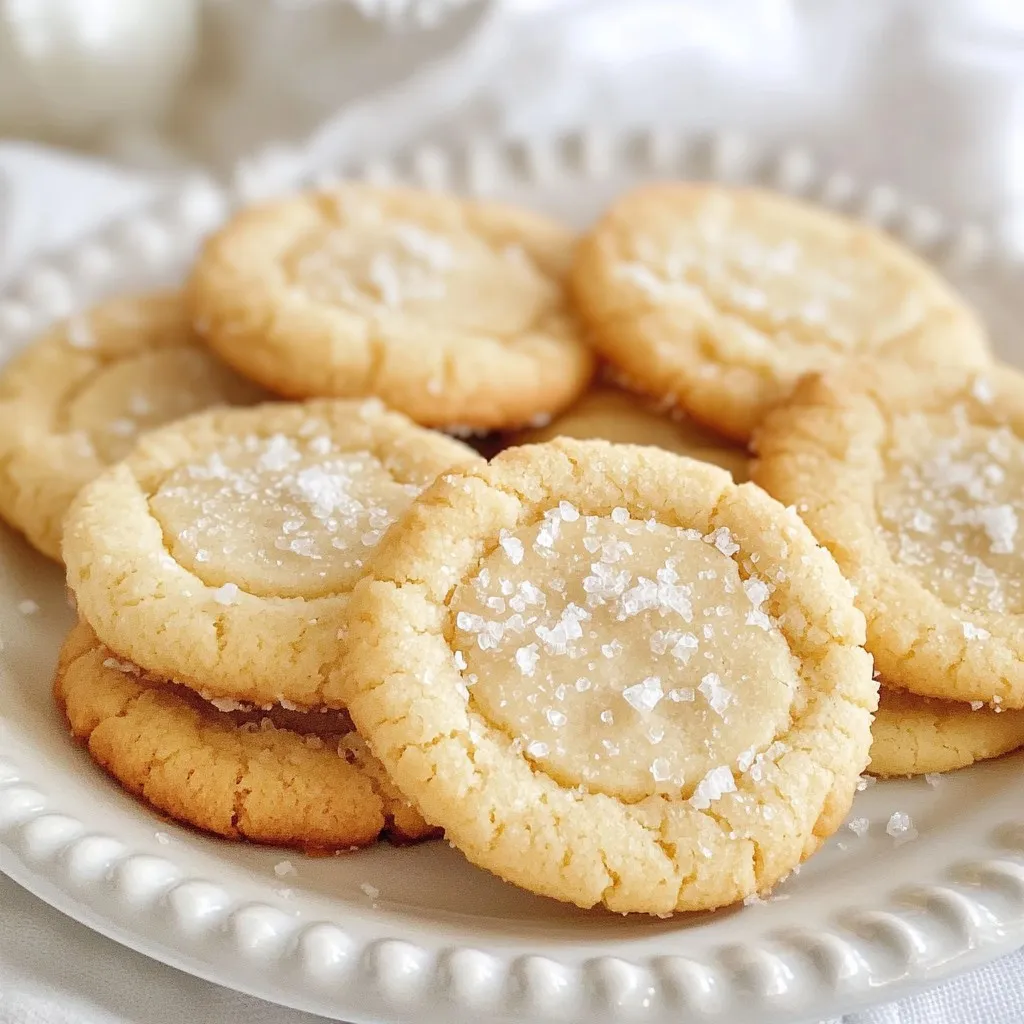
Craving something sweet and simple? Let’s make irresistible salted butter cookies that melt in your mouth. This easy recipe uses just a few ingredients, so you can enjoy fresh cookies in no time. I’ll show you how to pick the best salted butter and share tips for the perfect bake. Get ready to delight your taste buds with cookies you’ll want to make again and again!
Why I Love This Recipe
- Simple Ingredients: This recipe uses basic pantry staples that are easy to find, making it accessible for everyone.
- Quick to Prepare: With just 15 minutes of prep time, these cookies can be made in a flash, perfect for unexpected guests.
- Deliciously Balanced: The combination of sweet and salty flavors creates a delightful contrast that keeps you coming back for more.
- Versatile Treat: These cookies can be enjoyed on their own or paired with milk, coffee, or tea for a perfect treat any time of day.
Ingredients
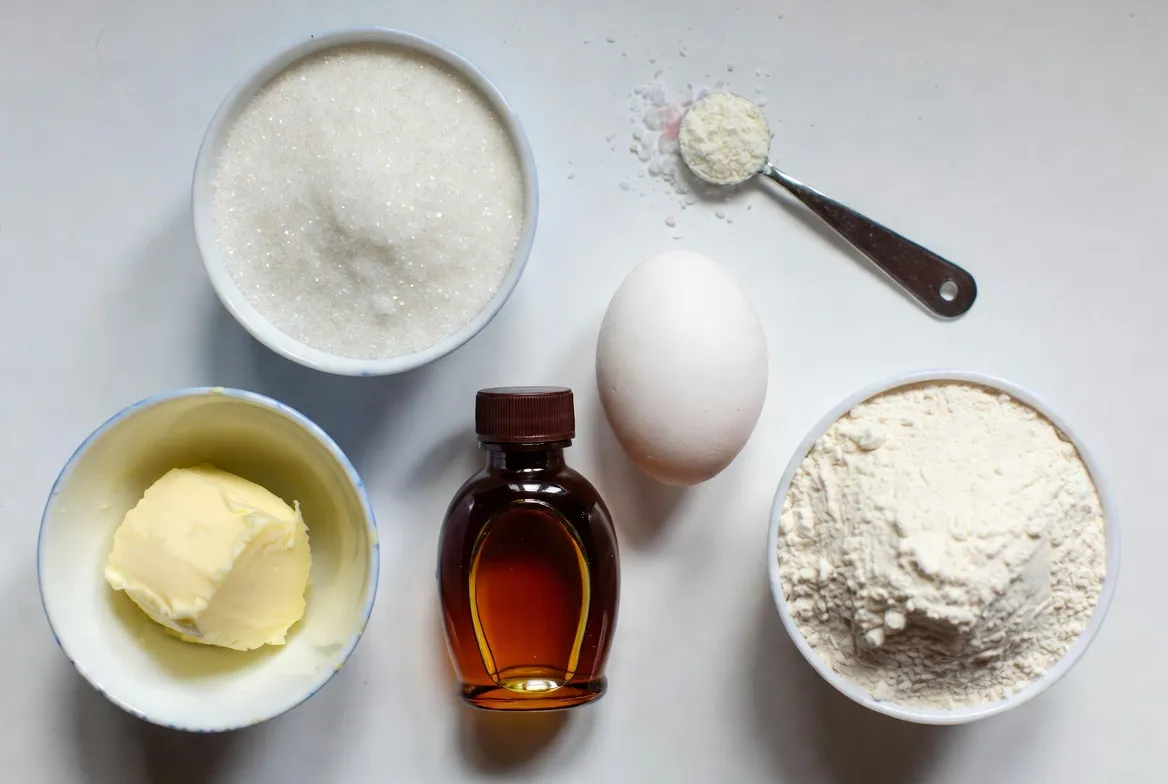
List of Ingredients with Measurements
– 1 cup unsalted butter, softened
– 1 cup granulated sugar
– 1 teaspoon vanilla extract
– 1 large egg
– 2 cups all-purpose flour
– 1/2 teaspoon baking powder
– 1/4 teaspoon salt
– Flaky sea salt, for sprinkling
Explanation of Ingredients (Salted vs. Unsalted Butter)
Salted butter has added salt, while unsalted butter does not. I prefer unsalted butter for most baking. This allows you to control the salt level. Too much salt can overpower the sweet flavor of cookies. Unsalted butter also tastes fresher. You get a pure butter flavor in your baked goods. If you use salted butter, just skip adding extra salt in the recipe. This helps keep the taste balanced.
Recommended Brands of Salted Butter
Using high-quality butter makes a big difference. Here are some brands I trust:
– Kerrygold: Known for its rich flavor and creamy texture.
– Challenge: Great for baking, with a smooth finish.
– Land O’Lakes: A classic choice, easy to find in stores.
These brands offer good taste and work well in cookies.
Step-by-Step Instructions
Preparation of the Dough
To start, preheat your oven to 350°F (175°C). Line a baking sheet with parchment paper. In a large bowl, cream together 1 cup of softened butter and 1 cup of granulated sugar. Mix until it’s light and fluffy, which takes about 3 to 4 minutes. Next, add 1 teaspoon of vanilla extract and 1 large egg to the bowl. Beat the mixture until all ingredients blend well.
In another bowl, whisk together 2 cups of all-purpose flour, 1/2 teaspoon of baking powder, and 1/4 teaspoon of salt. Slowly add this dry mix to the wet mixture. Stir until just combined. Avoid over-mixing, as it can make the cookies tough.
Baking the Cookies
Using a cookie scoop or a tablespoon, drop portions of dough onto the prepared baking sheet. Leave enough space between each cookie. Gently press down on each cookie to flatten them slightly. Before baking, sprinkle a pinch of flaky sea salt on top of each one. Bake in the oven for 10 to 12 minutes. The edges should turn lightly golden when they’re ready. After baking, let them cool on the sheet for a few minutes. Transfer the cookies to a wire rack to cool completely.
Tips for Perfectly Baked Cookies
To achieve the best texture, ensure your butter is softened but not melted. This helps create the right balance of crisp edges and soft centers. Use a cookie scoop for even sizes; this ensures they bake uniformly. Watch your cookies closely in the oven. Every oven is different. If they look golden, it’s time to take them out. Store cookies in an airtight container for freshness. Enjoy them warm for a delightful treat!
Tips & Tricks
Achieving the Perfect Cookie Texture
For soft and chewy cookies, use room-temperature butter. Cream the butter and sugar well. This step adds air to the dough. It helps cookies rise nicely. When mixing the dry ingredients, don’t overdo it. Mix until just combined for soft cookies. Flatten each cookie slightly before baking. This helps them spread evenly.
Common Mistakes to Avoid
One common mistake is using cold butter. Cold butter makes it hard to cream. This leads to dense cookies. Another mistake is overbaking. Keep an eye on your cookies. They should be golden around the edges but soft in the center. Lastly, don’t skip the flaky sea salt on top. It adds a great salty contrast to the sweet dough.
Enhancing Flavor with Add-ins
You can make these cookies even better with add-ins. Try chocolate chips for sweetness. Chopped nuts add a nice crunch. Dried fruits can bring natural flavors. You can also mix in spices like cinnamon for warmth. Just keep the total amount of add-ins to about one cup. This keeps the dough balanced and delicious.
Pro Tips
- Use Chilled Butter: For a firmer texture, consider chilling your dough for 30 minutes before baking. This will help the cookies hold their shape better while baking.
- Experiment with Flavors: Feel free to add a teaspoon of almond extract or a pinch of citrus zest to the dough for an extra layer of flavor that pairs beautifully with the salt.
- Watch the Baking Time: Keep a close eye on the cookies during the last few minutes of baking; they can go from perfectly golden to overdone very quickly.
- Storage Tips: Store the cookies in an airtight container at room temperature for up to a week, or freeze them for longer-lasting freshness.
Variations
Flavor Combinations (Chocolate Chips, Nuts, etc.)
You can easily change the flavor of salted butter cookies. Adding chocolate chips gives them a rich taste. I love dark chocolate chips for a deeper flavor. If you want crunch, add nuts like walnuts or pecans. Chopped almonds bring a nice twist too. You can mix these in right before you scoop the dough. Just a cup of your choice will do!
Seasonal Variations (Holiday Spices, etc.)
Seasonal flavors make your cookies special. During fall, add cinnamon and nutmeg for warmth. You can also mix in pumpkin spice for a festive touch. For winter, try ginger and cloves to create holiday cheer. These spices pair well with the buttery taste. You can sprinkle some festive sprinkles on top too!
Gluten-Free and Vegan Options
You can make gluten-free salted butter cookies using almond flour or oat flour. Just swap the all-purpose flour with these options. It’s easy to follow the same steps! For a vegan twist, use coconut oil instead of butter. Replace the egg with a flax egg; mix one tablespoon of flaxseed meal with three tablespoons of water. Let it sit for a few minutes. This makes a great binder for your cookies!
Storage Info
Proper Storage Techniques
To keep your salted butter cookies fresh, store them in an airtight container. This helps maintain their soft texture and flavor. Line the bottom of the container with parchment paper. This prevents sticking. You can also separate layers of cookies with wax paper. If you want to keep them extra fresh, add a slice of bread in the container. The bread will keep the cookies moist.
Freezing Cookies for Later
You can freeze these cookies if you want to enjoy them later. First, let the cookies cool completely. Then, place them in a single layer on a baking sheet. Freeze them for about 1 hour. Once frozen, transfer the cookies to a freezer-safe bag or container. Make sure to squeeze out the air before sealing. You can keep them frozen for up to three months. When you’re ready to eat, thaw them at room temperature.
How Long Cookies Stay Fresh
Salted butter cookies stay fresh for about one week at room temperature. If stored properly in an airtight container, they will taste great. If you freeze them, they will maintain their best quality for three months. After that, they may lose some flavor but will still be safe to eat. Always check for any signs of spoilage before enjoying your cookies.
FAQs
Can I use salted butter instead of unsalted in recipes?
Yes, you can use salted butter. However, the cookies may taste a bit saltier. If you do this, skip the extra salt in your recipe. Salted butter already contains salt, so you might want to adjust other salt levels in your dough.
How do I know when cookies are done baking?
Cookies are done when the edges turn golden. They may still look soft in the middle. Remove them from the oven at this point. They will continue to bake on the tray as they cool. This method keeps them soft and chewy.
What can I do if my cookie dough is too sticky?
If your dough is sticky, add a bit more flour. Start with one tablespoon at a time. Mix it in and check the texture. You want it to be easy to handle, not too sticky. Chilling the dough for 30 minutes can also help firm it up.
In this blog post, we covered key ingredients for cookie baking, including butter types. I shared step-by-step instructions to prepare dough, bake cookies, and achieve the right texture. We explored flavor variations and offered tips to avoid common mistakes. Proper storage methods ensure your cookies stay fresh.
Remember, each ingredient matters. Enjoy experimenting with flavors and techniques. Happy bakin