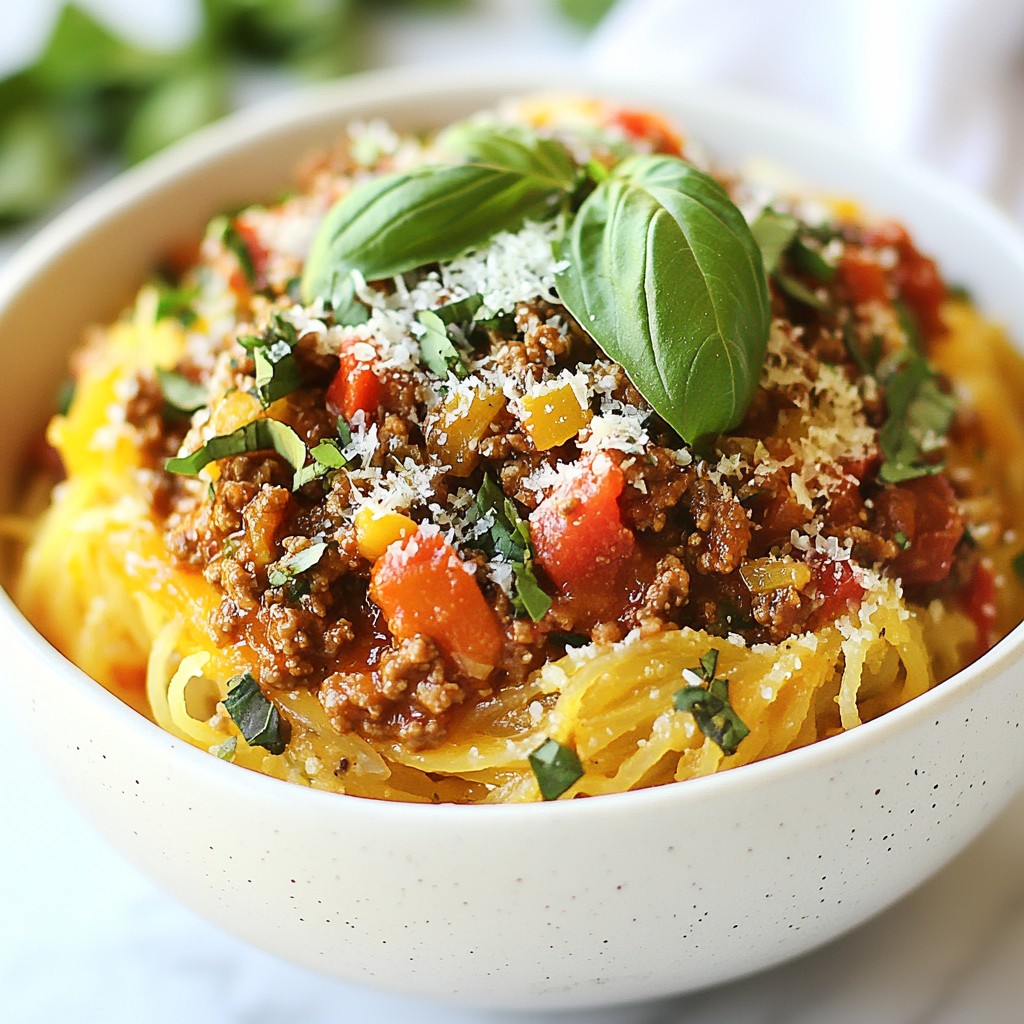
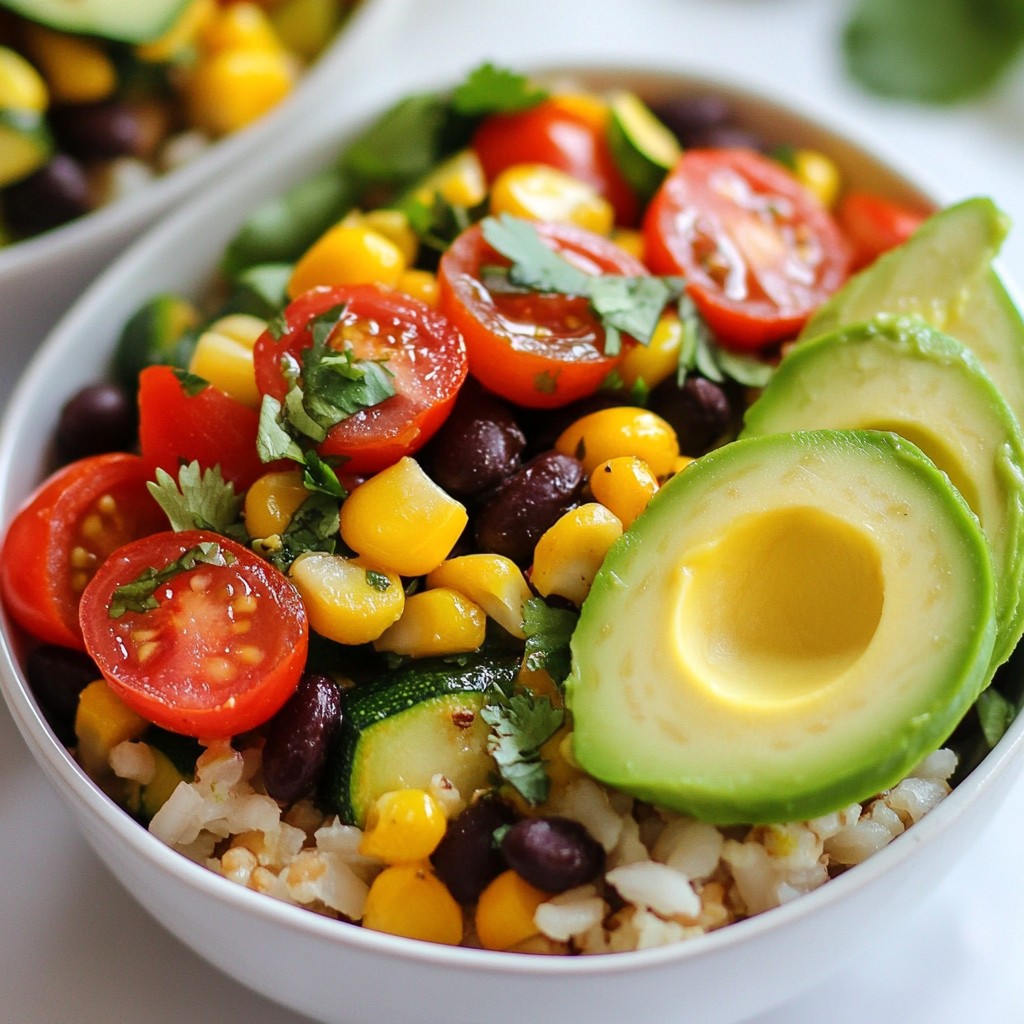
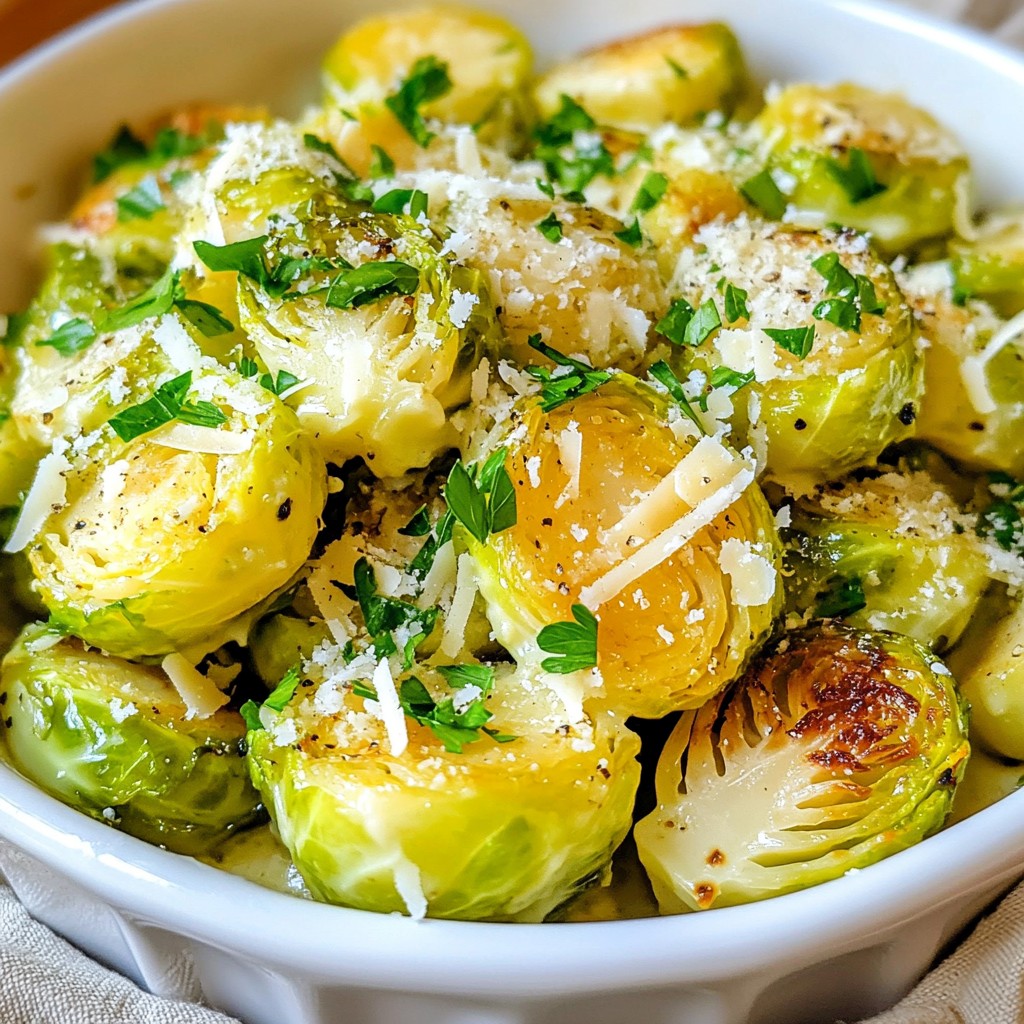
.png)
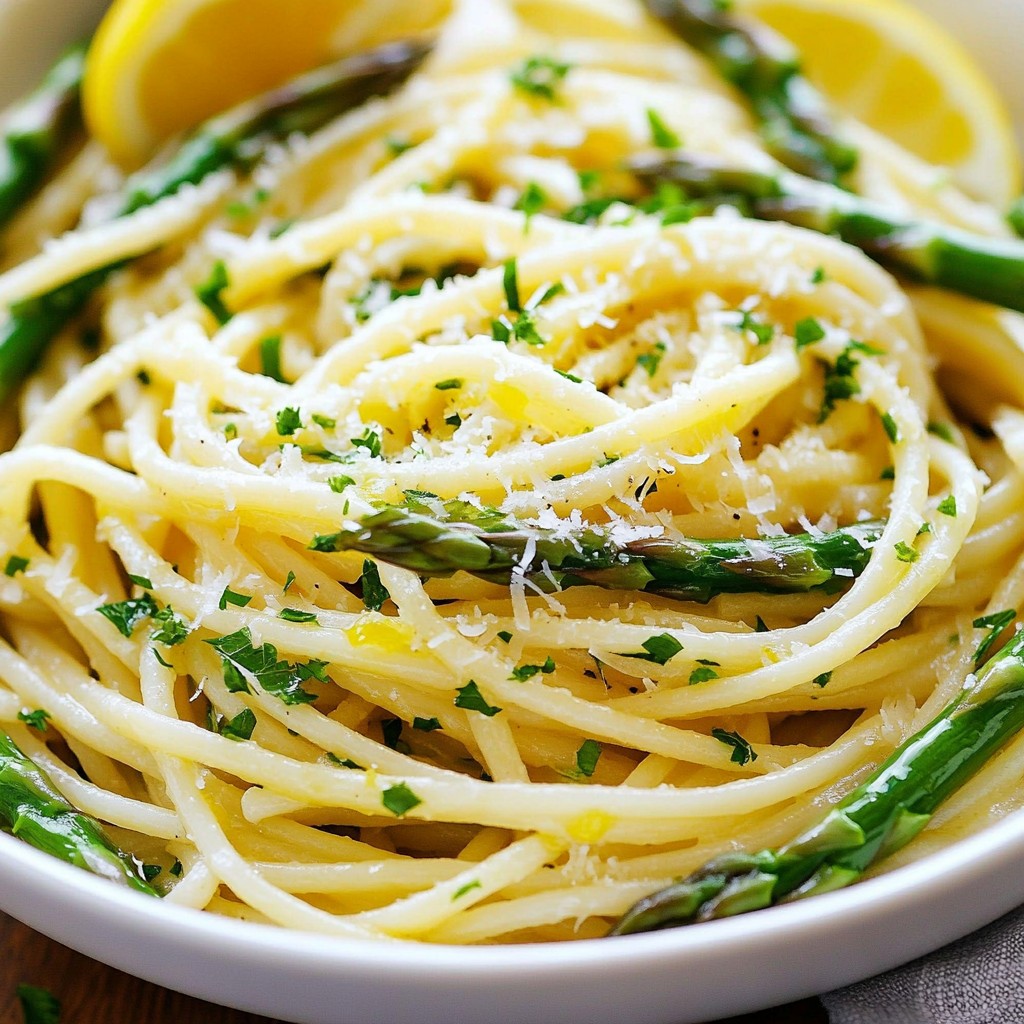
If you're looking for a light, tasty dish that comes together fast, you've found it! Garlic Lemon Asparagus Pasta is the perfect blend of fresh ingredients and bright flavors. Picture tender asparagus, zesty lemons, and savory garlic, all wrapped around al dente pasta. This dish is not just delicious; it’s easy to make! Join me as we dive into the steps and tips for creating this delightful meal.
Why I Love This Recipe
- Fresh and Flavorful: The combination of garlic, lemon, and asparagus creates a light and refreshing dish that bursts with flavor.
- Quick and Easy: This recipe can be prepared in just 20 minutes, making it perfect for busy weeknight dinners.
- Healthy Ingredients: Packed with vegetables and healthy fats, this pasta dish is both nutritious and satisfying.
- Customizable: You can easily modify this recipe by adding protein like chicken or shrimp, or swap out the pasta for a gluten-free option.
Ingredients
List of Ingredients
- 8 oz linguine pasta
- 1 lb fresh asparagus, trimmed and cut into 2-inch pieces
- 4 cloves garlic, minced
- 3 tablespoons olive oil
- Zest of 1 lemon
- 2 tablespoons lemon juice
- 1/2 teaspoon red pepper flakes (optional)
- Salt and pepper to taste
- 1/4 cup grated Parmesan cheese (for serving)
- Fresh parsley, chopped (for garnish)
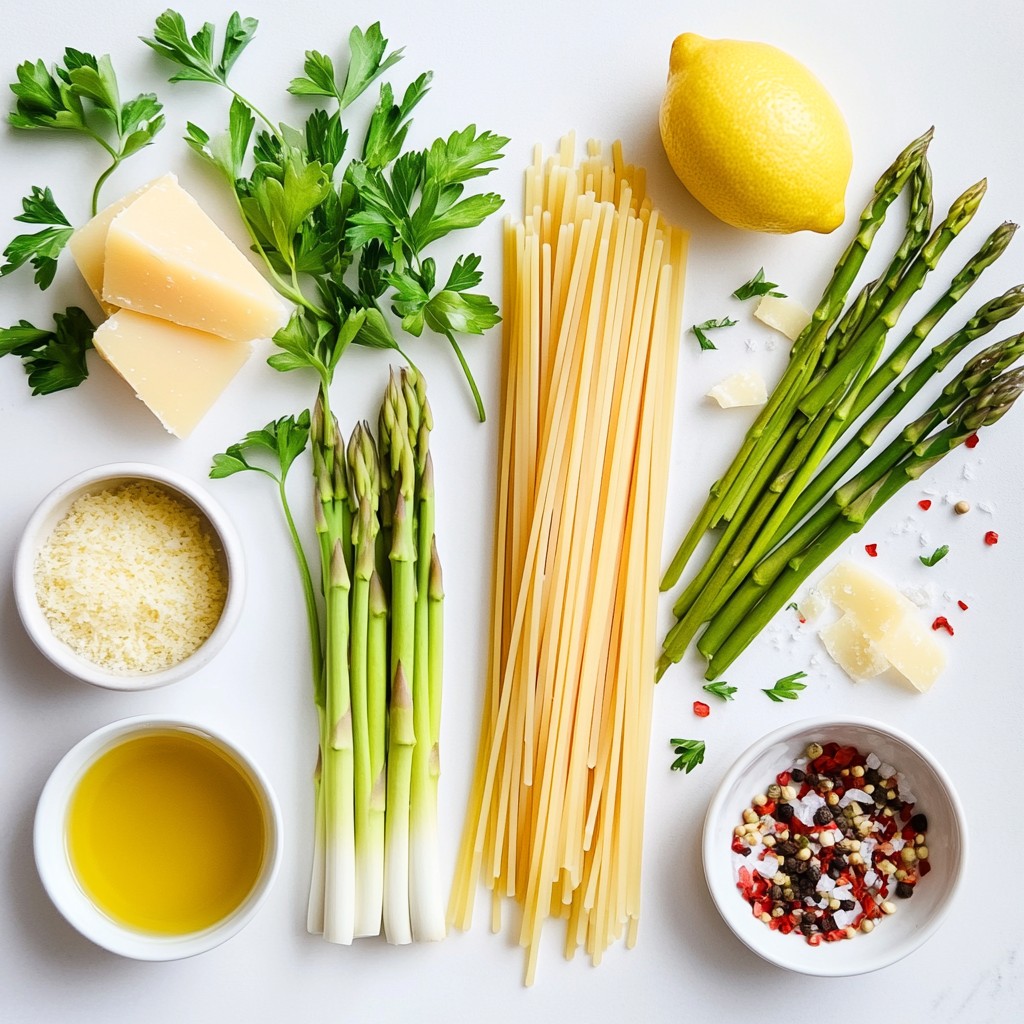
Gathering fresh ingredients is key. Start with linguine pasta for a great base. You want 8 ounces, which gives you a nice amount for four servings. Next, grab one pound of fresh asparagus. Trim it and cut it into two-inch pieces to cook evenly.
Garlic adds a lot of flavor. You will need four cloves, minced to release its aroma. Olive oil is essential for sautéing; three tablespoons will do the trick.
Lemon zest and juice brighten the dish. Use one whole lemon for both. If you like a kick, add red pepper flakes. A half teaspoon is optional but tasty.
Finally, don't forget salt and pepper for seasoning. You will want about a quarter cup of grated Parmesan for serving. Fresh parsley adds color and freshness. Chop some to sprinkle on top!
With these ingredients, you're ready to make a delightful meal!
Step-by-Step Instructions
Cooking the Pasta
To start, fill a large pot with water. Add a good amount of salt to the water. Bring it to a boil on high heat. Once boiling, add 8 oz of linguine pasta. Stir it well to keep it from sticking. Cook it according to the package instructions until it is al dente. This usually takes about 8 to 10 minutes. Remember to reserve 1/2 cup of pasta water before draining. Drain the pasta and set it aside.
Sautéing the Asparagus
Next, grab a large skillet and place it on medium heat. Pour in 3 tablespoons of olive oil and let it heat. Once hot, add 1 lb of fresh asparagus, cut into 2-inch pieces. Cook the asparagus for about 3 to 4 minutes. It should turn bright green and feel tender-crisp. This step keeps the asparagus fresh and crunchy.
Combining Ingredients
Now it’s time to add flavor. Reduce the heat to low. Add 4 cloves of minced garlic to the skillet with the asparagus. Sauté for 1 to 2 minutes until the garlic smells great but doesn’t brown. After that, mix in the cooked linguine. Pour in the reserved pasta water, the zest of 1 lemon, and 2 tablespoons of lemon juice. If you like a bit of heat, add 1/2 teaspoon of red pepper flakes. Toss everything gently so it all blends well. Cook for another 1 to 2 minutes to let the flavors come together. Season with salt and pepper to your taste.
Tips & Tricks
Perfecting the Texture
How to achieve al dente pasta? To cook linguine al dente, boil a large pot of salted water. Add the pasta and set a timer for one or two minutes less than the package suggests. Taste a strand to check. It should be firm but not hard.
Cooking asparagus to the right doneness: For tender-crisp asparagus, sauté it for about 3-4 minutes in hot olive oil. The color should change to bright green, and it should still have a slight bite. This keeps the flavor fresh and vibrant.
Enhancing Flavor
Alternative ingredients for added depth: You can swap the linguine for whole wheat or gluten-free pasta. Add pine nuts or toasted walnuts for crunch. Try lemon zest from two lemons for a stronger citrus punch.
Suggested seasoning adjustments: If you want more heat, add more red pepper flakes. For a richer flavor, use fresh herbs like basil or thyme. A splash of white wine can also deepen the taste.
Serving Suggestions
Ideal presentation techniques: Serve the pasta in wide, shallow bowls for a nice look. Top with extra lemon zest and a sprinkle of Parmesan. A lemon wedge on the side adds a pop of color and flavor.
Pairing with complementary dishes or drinks: This pasta pairs well with a light salad or grilled chicken. For drinks, try a crisp white wine like Sauvignon Blanc. A sparkling water with lemon can also be refreshing.
Pro Tips
- Use Fresh Asparagus: For the best flavor and texture, always choose fresh asparagus that is bright green and firm. Avoid any that appear wilted or rubbery.
- Reserve Pasta Water: The starchy pasta water is perfect for creating a silky sauce. Make sure to reserve some before draining your pasta.
- Adjust Lemon to Taste: Depending on your preference, you can add more or less lemon juice and zest to achieve the desired level of brightness in your dish.
- Garnish Generously: Fresh parsley and extra Parmesan cheese not only enhance the flavor but also add a beautiful pop of color to your dish. Don't skimp on the garnish!
Variations
Dietary Substitutions
You can easily switch to gluten-free pasta. Look for options made from rice, quinoa, or chickpeas. They work well in this recipe, giving the same tasty results.
For a vegan dish, skip the Parmesan cheese. Try using nutritional yeast for a cheesy flavor. You can also use a plant-based cheese. Both options keep this dish creamy and rich.
Flavor Enhancements
Adding protein can make this pasta more filling. You can use grilled chicken, sautéed shrimp, or tofu. Cook the protein separately and toss it in when mixing the pasta.
You might also want to add other vegetables or herbs. Cherry tomatoes, spinach, or bell peppers are great choices. Fresh basil or oregano can increase the dish's flavor and freshness. Mixing in these ingredients makes it fun and different each time you cook!
Storage Info
Refrigeration Guidelines
To keep your Garlic Lemon Asparagus Pasta fresh, follow these tips:
- Cool it down: Let the pasta cool to room temperature before storing.
- Use airtight containers: Store leftovers in glass or plastic containers with tight lids. This keeps moisture in and air out.
Your pasta will stay good for about 3 to 5 days in the fridge. If you wait longer, the flavors may fade.
Reheating Instructions
When you want to enjoy your leftovers, reheating properly is key. Here are some methods:
- Stovetop: Heat a skillet over medium heat. Add a splash of olive oil or water. Then, add the pasta. Stir gently and heat for about 5 minutes.
- Microwave: Place the pasta in a microwave-safe bowl. Add a tablespoon of water. Cover it with a lid or microwave-safe wrap. Heat for 2 to 3 minutes, stirring halfway for even warmth.
The goal is to make it warm but not overcooked. Enjoy your delicious meal again!
FAQs
Common Questions About Garlic Lemon Asparagus Pasta
How can I make this dish gluten-free? To make this dish gluten-free, swap linguine with gluten-free pasta. Many brands offer great options that taste good. Just check the cooking time, as it may differ from regular pasta.
Can I use frozen asparagus instead of fresh? Yes, you can use frozen asparagus. Just thaw it first, then cook it in the skillet. Frozen asparagus may have a slightly softer texture, so keep an eye on the cooking time.
What’s the best way to reheat leftover pasta? To reheat leftover pasta, place it in a skillet over low heat. Add a splash of water or olive oil to keep it moist. Stir gently until warmed through. You can also microwave it in short bursts, stirring in between.
This blog post covered a simple and tasty Garlic Lemon Asparagus Pasta recipe. You learned the key ingredients, like linguine, asparagus, and garlic. We went through each step, from cooking the pasta to mixing in the flavors. I shared tips to enhance taste and texture, along with storage ideas and variations.
This dish is easy to adapt for different diets. Whether you want it gluten-free or vegan, options are available. Enjoy making this meal, and feel free to experiment with flavors. Your kitchen adventure starts now!